More Than Hummingbirds
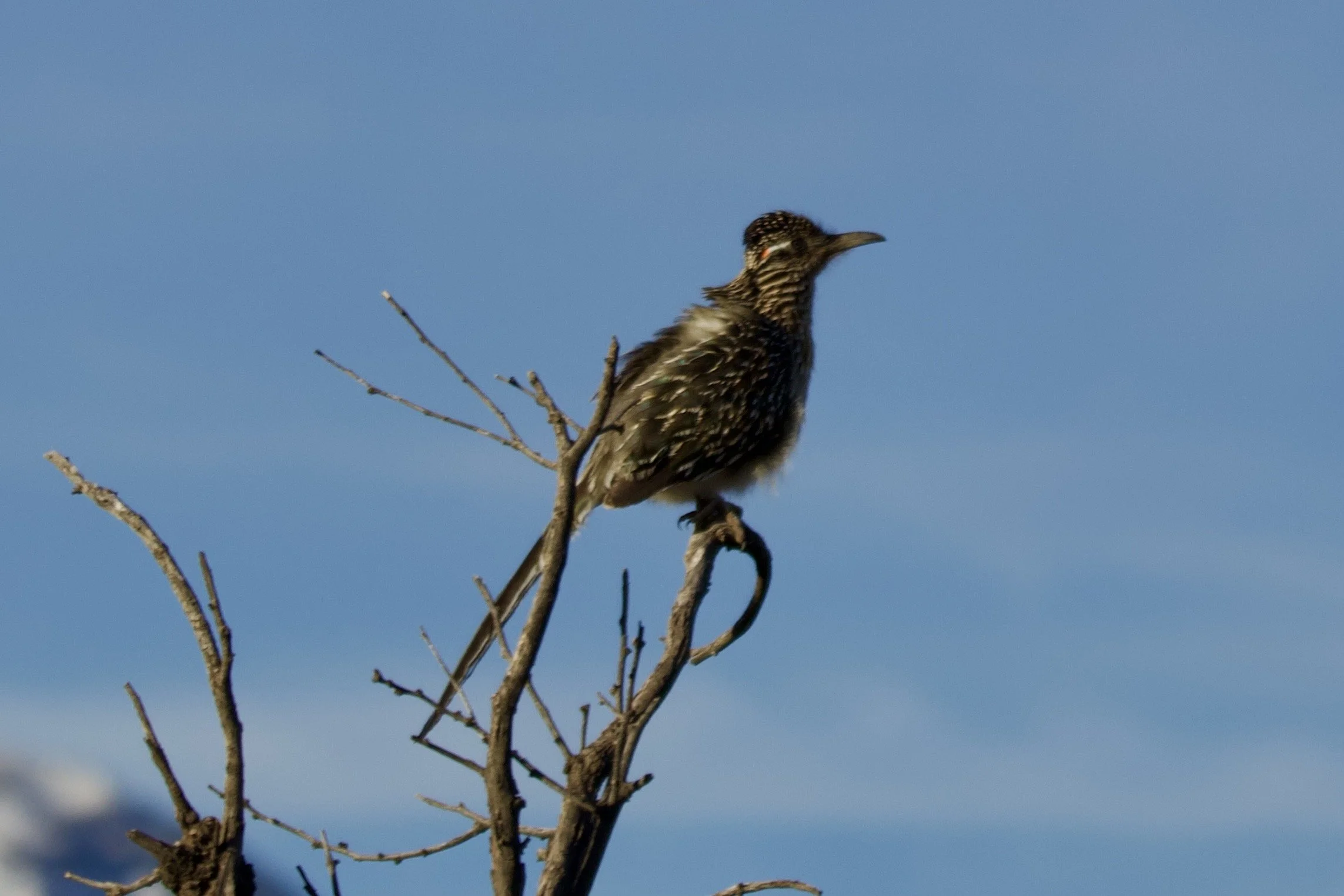
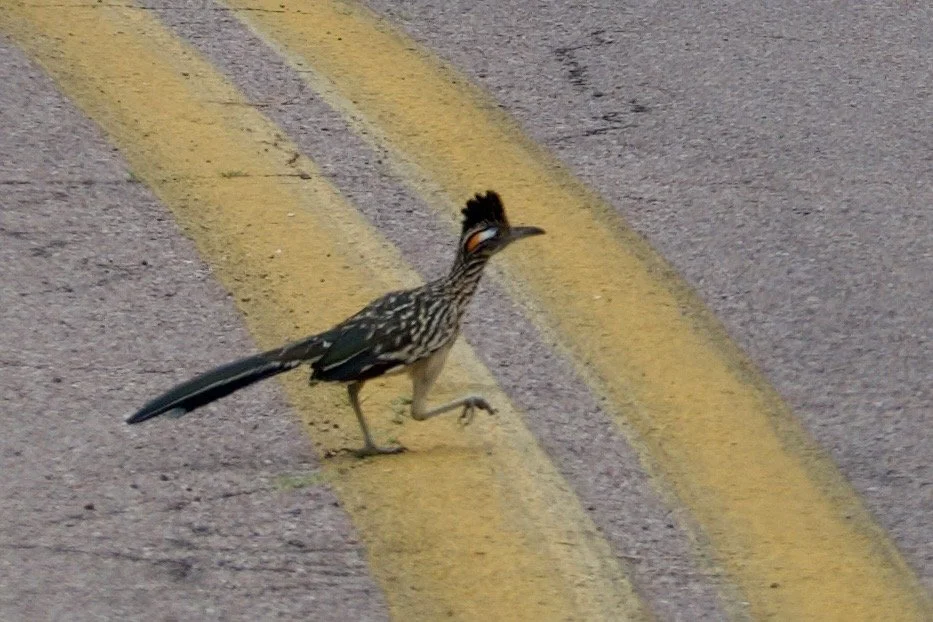
The Greater Roadrunner is probably Arizona’s most iconic bird. I had been photographing birds in Arizona for years and had only managed to get a roadrunner in a tree, of all places. But on my last trip there I finally got the perfect photograph of a road runner running across the road.
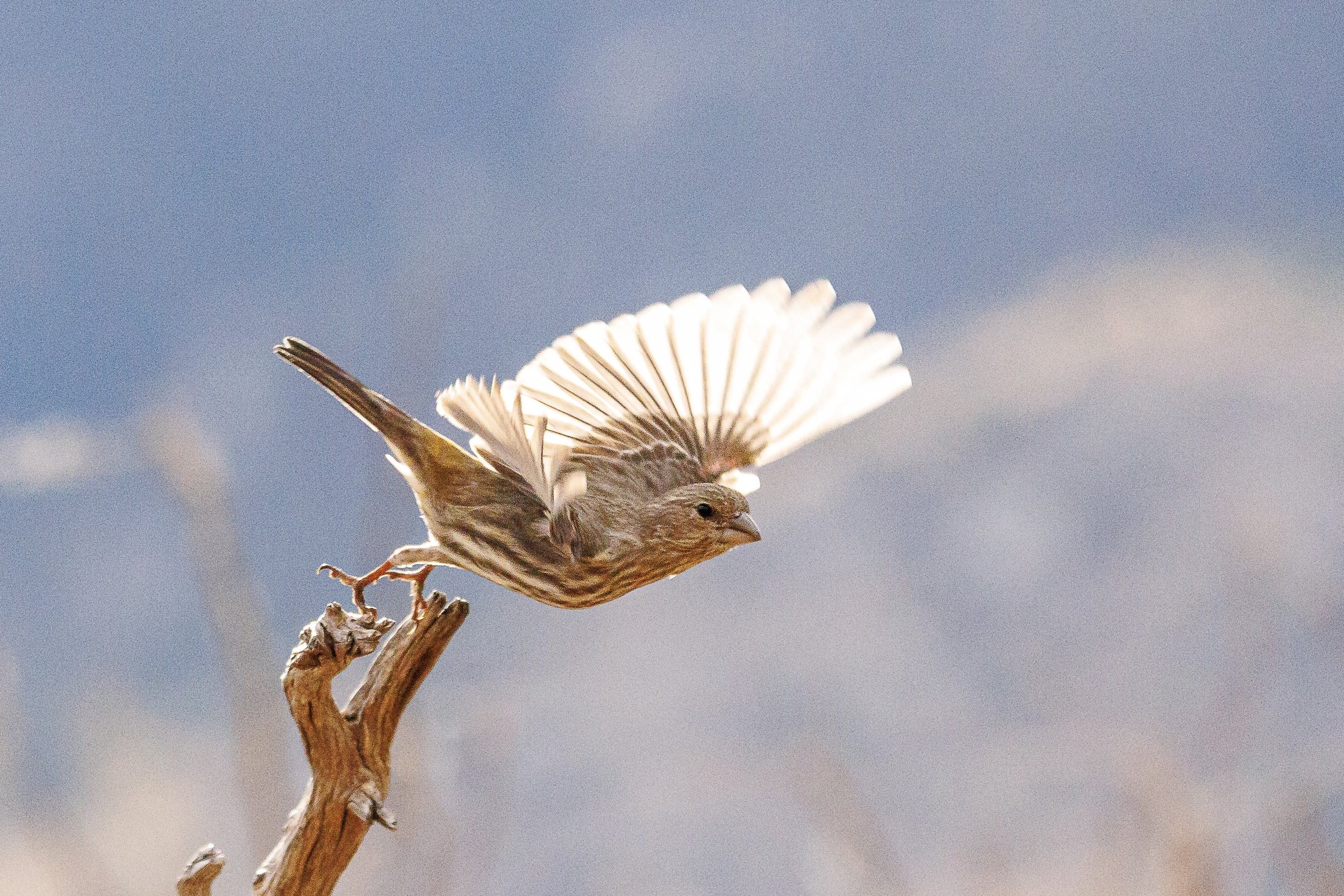
Early in my bird photography hobby I was at Ash Canyon, photographing everything I could get my camera on — even this common House Finch. The bird launched into flight just as I snapped the shutter. The perfect lighting through the wings gives it an almost spiritual appearance. I call this one Leap of Faith.
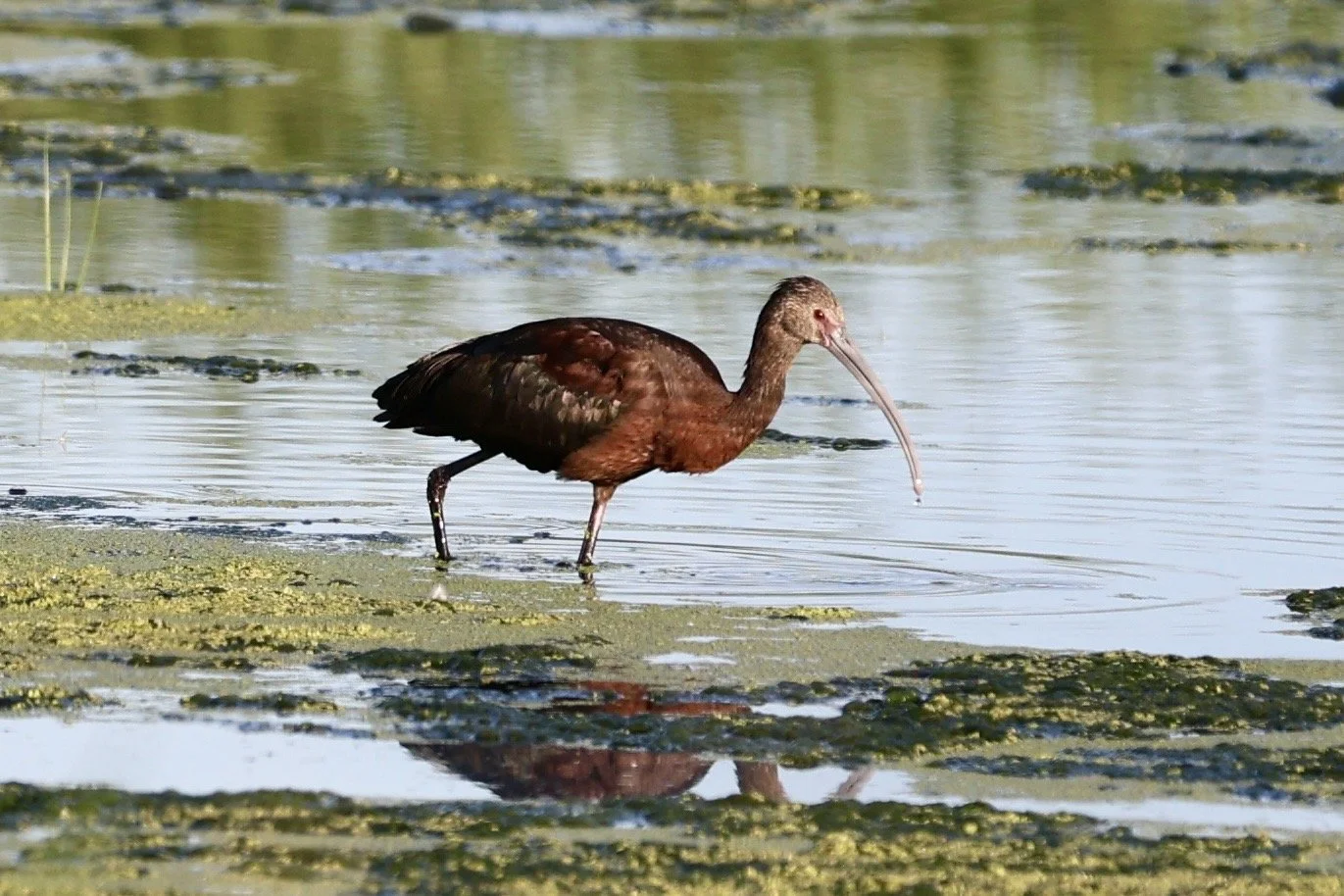
Southeast Arizona does have its share of lakes, especially during monsoon season. The first time I went birding at a lake I was surprised at all the water birds that I would never have expected to see in the desert, like this White-Faced Ibis.
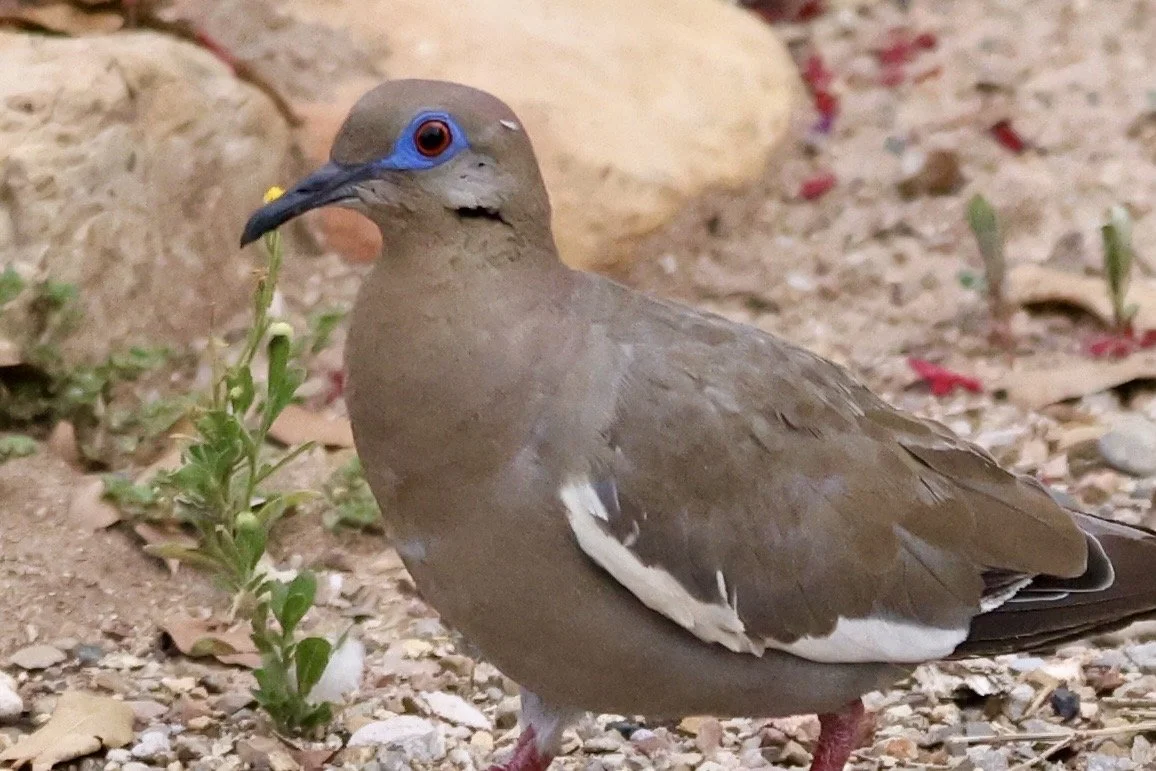
Until I took this photograph and downloaded it I never appreciated how beautiful a White-Winged Dove is. That blue eyering and the crimson iris really grabbed my attention. And of course, this bird always makes me think of Stevie Nicks’ Edge of Seventeen.
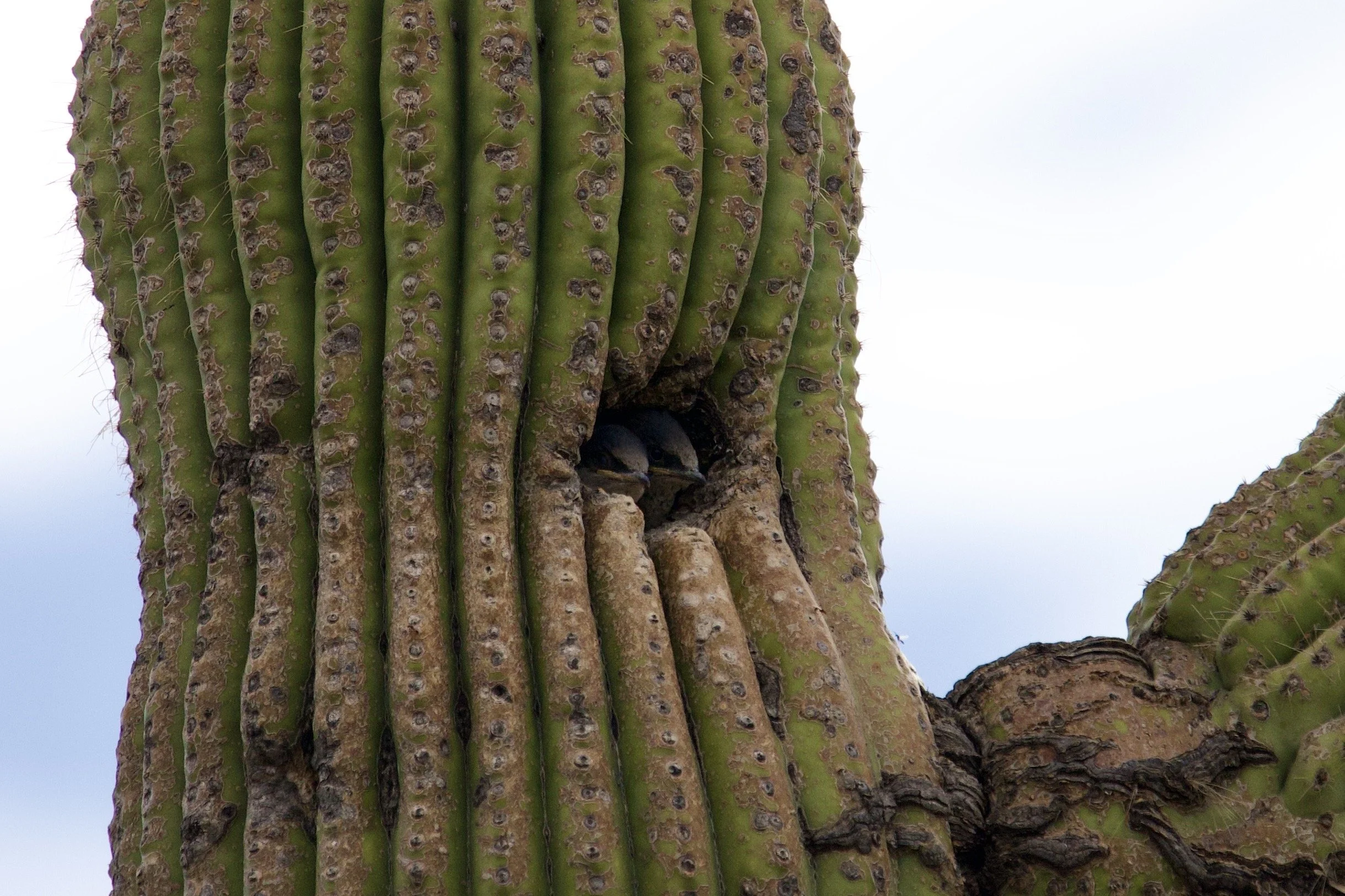
The Saguaro Twins
In Saguaro National Park we kept seeing Purple Martins flying around this one saguaro cactus and landing on it. We were pretty sure there was a nest in it somewhere so we started walking around it until we found it. I took a photo of the nest, just… because… It wasn’t until later when I was looking at the day’s photos that I realized there are two baby Purple Martins peeking out!
We asked our guide how Purple Martins carve out nesting cavities in saguaros. She said they don’t, those holes are made by Gila Woodpeckers for nesting and hatching their young. But they generally use a new nesting cavity each year, leaving the old ones available for the Purple Martins and other cavity-nesting birds. It’s almost like the woodpeckers are the housing developers and the other birds become the proud new homeowners!
Acorn Woodpeckers
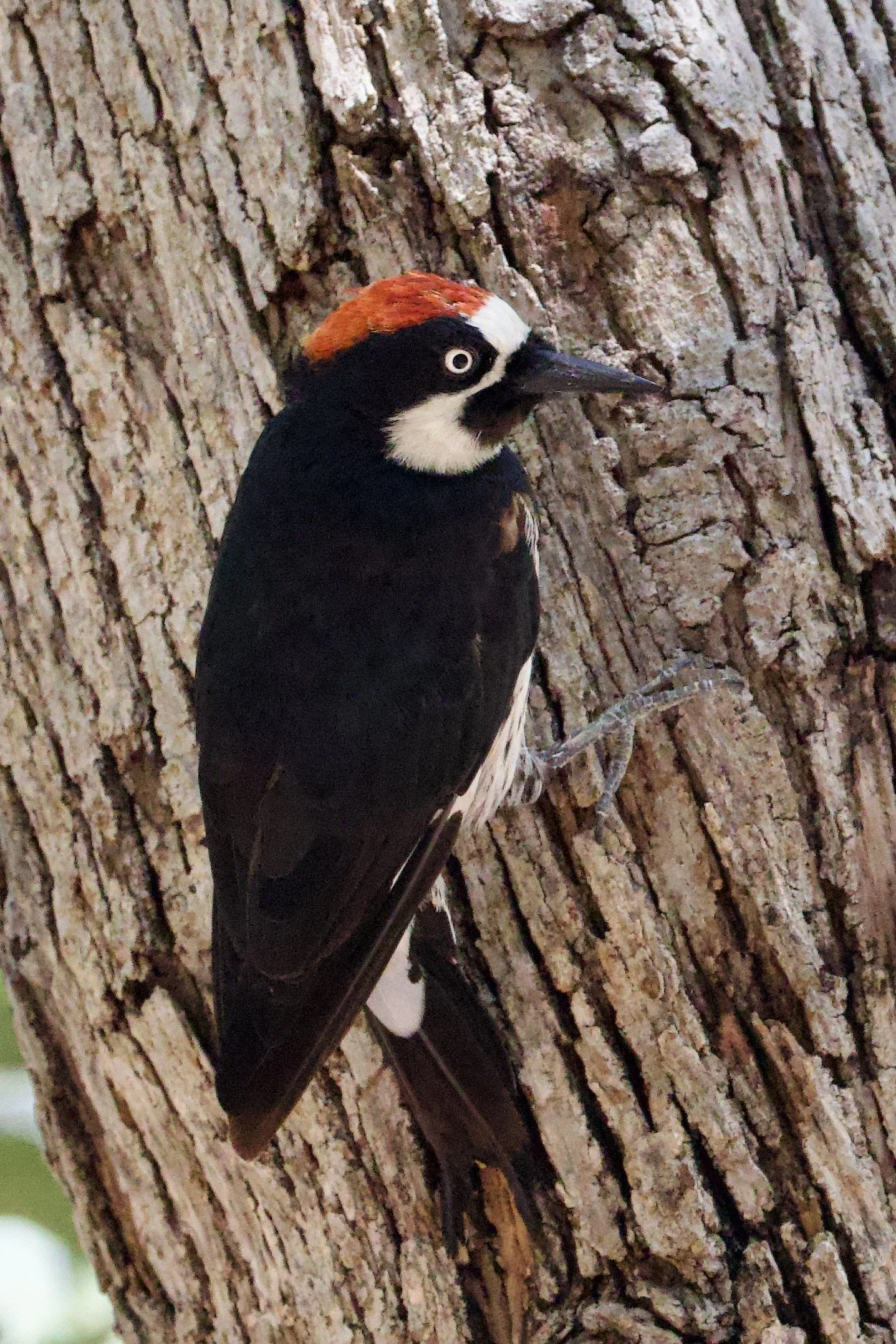
I have photographed a lot of Acorn Woodpeckers since they are very common, and I never really thought much about their name except they probably eat acorns. But somebody explained it to me on this last trip and it’s fascinating! Yes, Acorn Woodpeckers eat acorns. But they live in highly social family groups of a dozen or more, and work together to raise their young, gather and store acorns, and protect those acorns from squirrels, jays and other Acorn Woodpeckers. They store the acorns they collect in small holes they peck in trees. Then members of the flock take turns guarding those acorns from being stolen.
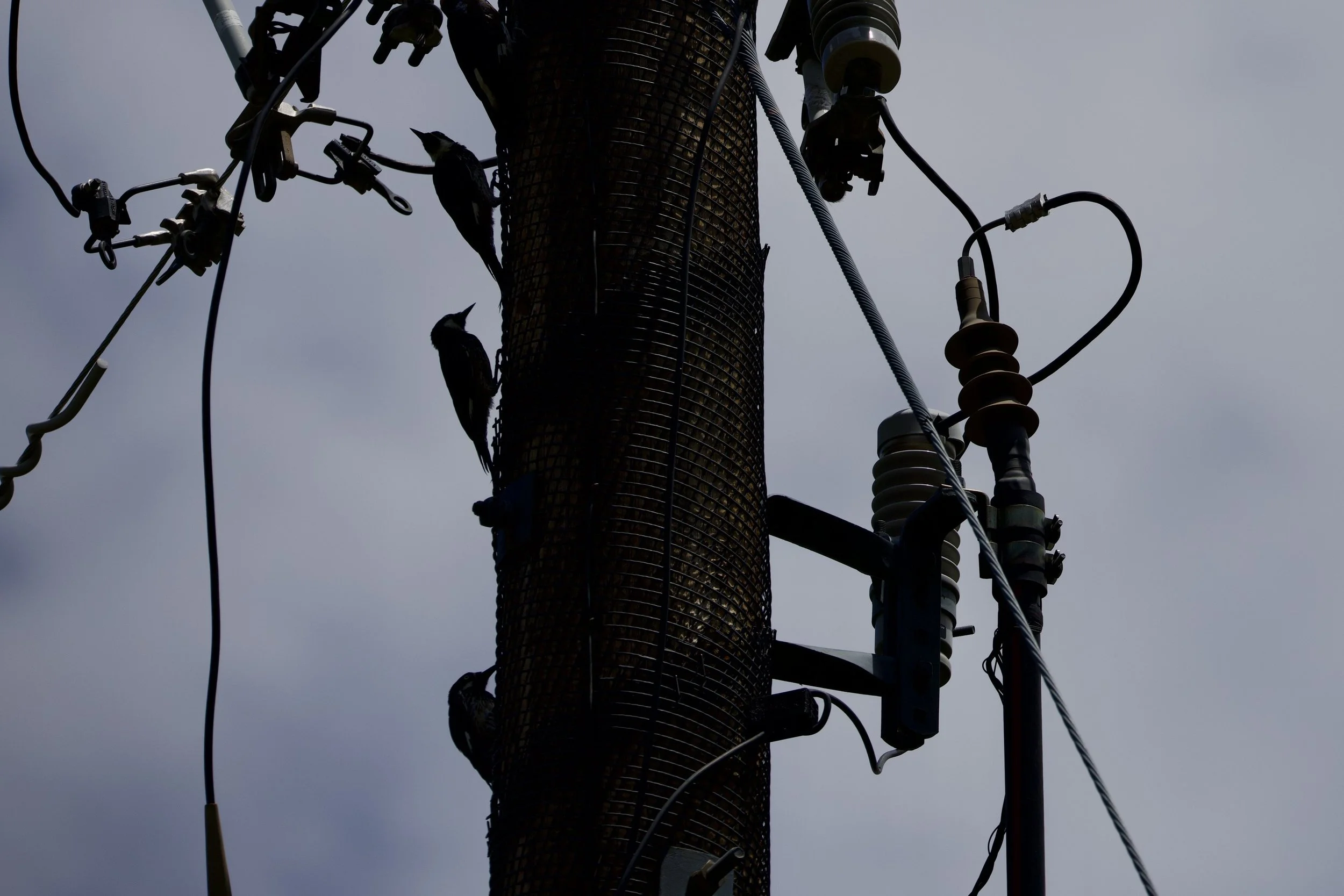
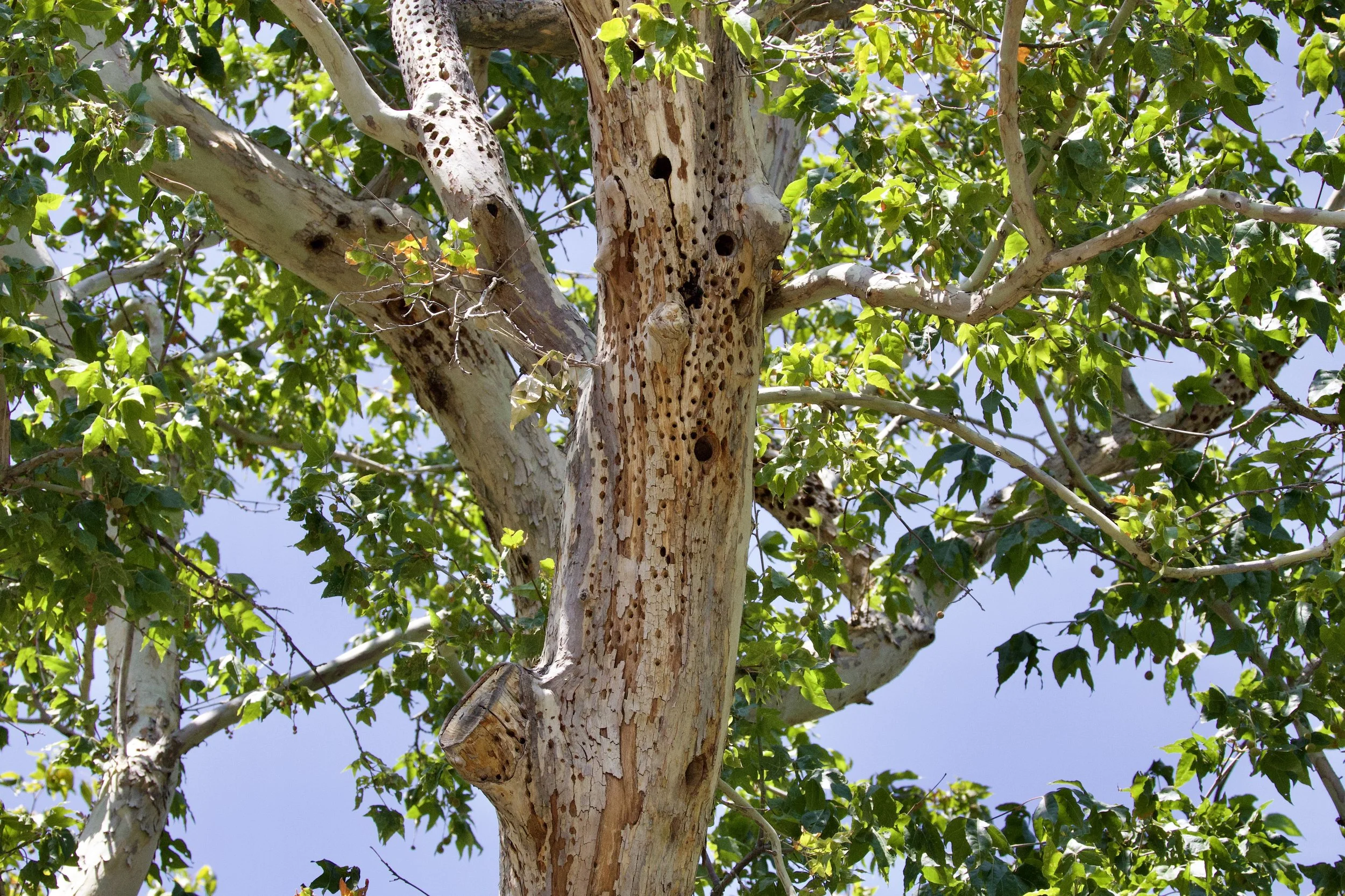
After learning that I saw three Acorn Woodpeckers on a telephone pole acting as a group and paid attention. It’s difficult to see because the sun was behind the pole, but the telephone poles have netting on them specifically to deter acorn woodpeckers from using them as acorn granaries. The tree on the right clearly shows what they do to trees (and telephone poles!). I’ll never look at acorn woodpeckers the same again.